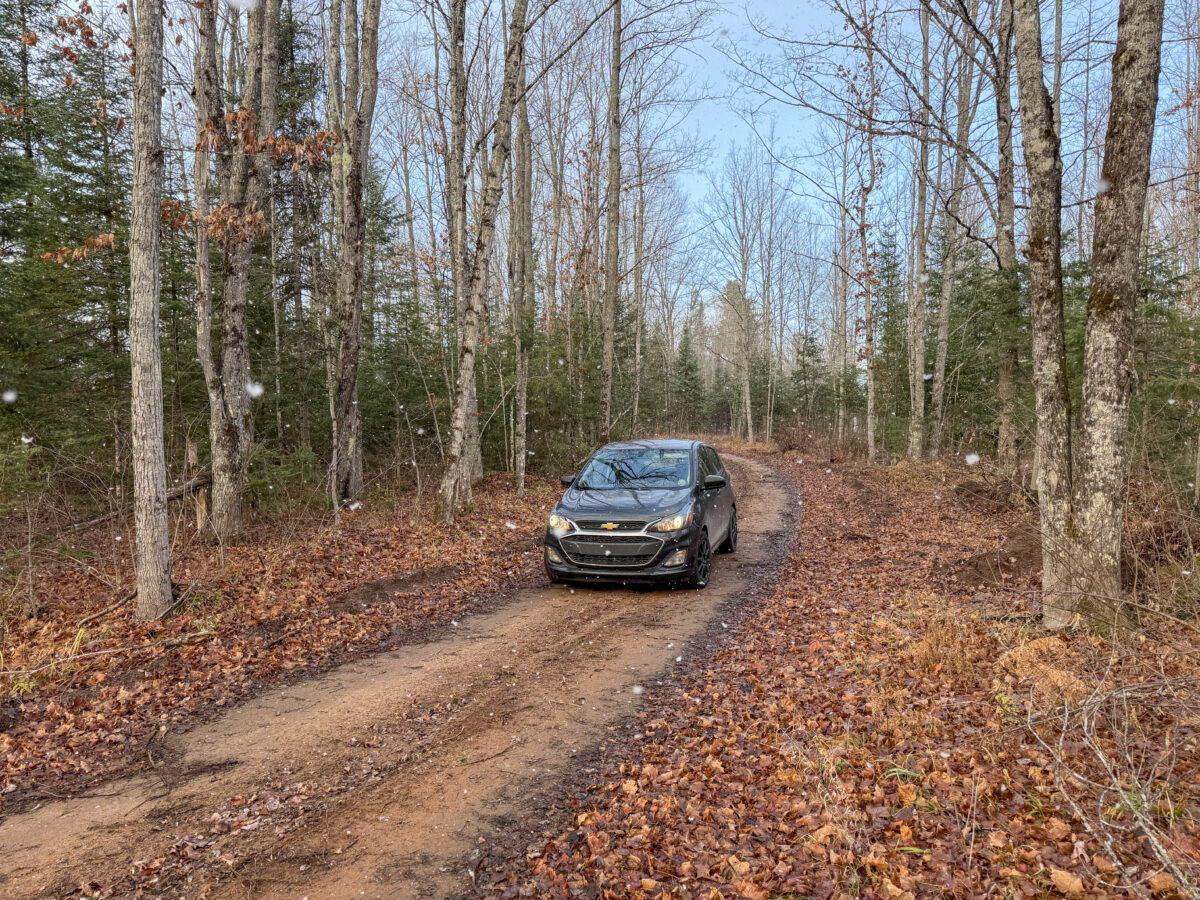
As Michigan Tech approaches Fall Break, students preparing to travel home are encouraged to take precautions before hitting the road. With the possibility of snow, ice, and other poor road conditions, this time of year can be especially dangerous for students traveling across the UP and beyond.
To help students prepare for winter conditions, Automotive Enthusiasts at Michigan Tech hosted its annual “Winterize Your Ride” event on Sunday, Nov. 15, from 11 a.m. to 3 p.m. in Lot 14, near the broomball rinks. The event provided students with an opportunity to have their vehicles inspected before leaving campus for break.
“A common issue is tires; typically, we see bald, dry-rotted, or old tires,” third-year student and President of Automatic Enthusiasts at Michigan Tech Zachary Visser said via email. “Tires are one thing that I would always recommend not skimping on; a good set of tires can save you from an accident.”
For students unable to attend, Visser recommended checking tire condition, hazard lights, and oil levels before traveling.
Beyond vehicle maintenance, students should also consider the conditions that they may encounter during their travels. Reid DeVoge, deputy chief of Public Safety, recommends checking National Weather Service forecasts along the entire route and allowing extra time, especially if road conditions are poor.
In an email interview, DeVoge also cautioned against relying too heavily on a vehicle’s winter driving capabilities. “One of the most common mistakes is to believe that because a vehicle has AWD, 4WD, or snow tires, that it can be driven in the same way as in non-winter conditions.”
Students should reduce speed, increase following distance, and avoid sudden braking or steering. DeVoge also recommends keeping emergency supplies in the vehicle, including blankets, food, water, a flashlight, and a phone charger.
If stranded, students should remain within their vehicle unless there is an immediate hazard, make themselves visible, and ensure the exhaust pipe is clear of snow and debris before starting the engine intermittently. DeVoge also recommends attempting to contact 911, even when a phone indicates no service.
Above all, DeVoge emphasized that no vehicle is immune to hazardous winter conditions. “I have seen everything from small vehicles, large pickups, semi trucks, and even snow plows get stuck on the side of a road,” he said.
Students can find additional information on winter driving and emergency preparedness at the National Highway Traffic Safety Administration’s website, nhtsa.gov/winter-driving-tips.